Veterinary Supplier in Dubai | UAE
TVG news, events and articles
News | Announcements | Articles
FILTER BY
Are you a clinic or business and would like to sell / use our products?
June 29 2026
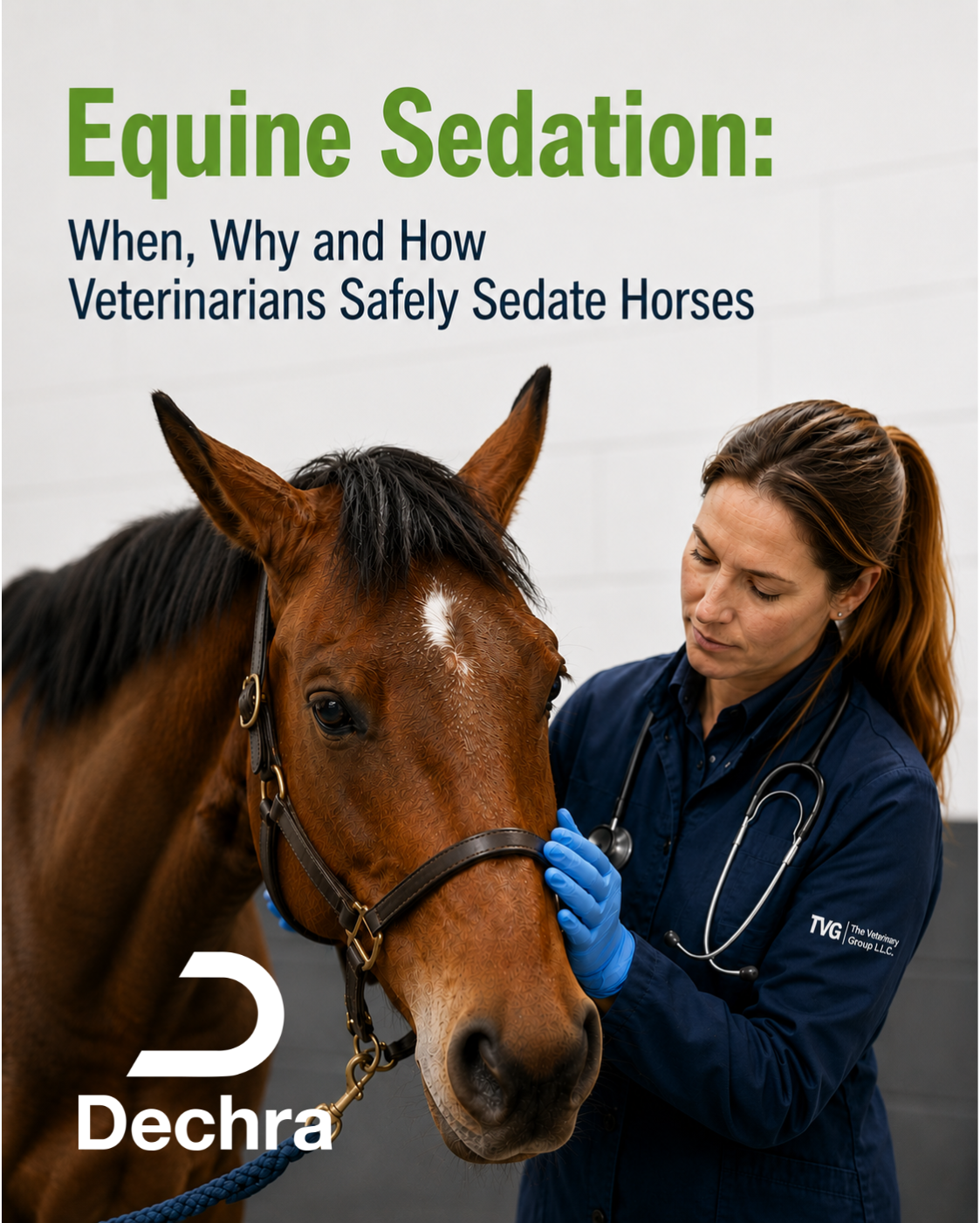
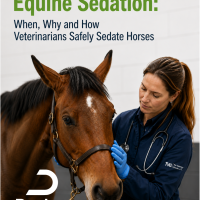
Handling horses during veterinary procedures requires careful planning to protect both the animal and the veterinary team. Even calm, well-trained horses can become anxious, or unpredictable during examinations and treatments, making sedation an important part of modern equine medicine. Sedation is not simply about making a horse stand still. It is a carefully controlled medical technique that helps reduce stress, improve patient welfare, and allow veterinarians to perform procedures safely and effectively. What Is Equine Sedation? Sedation is the controlled reduction of a horse's awareness and responsiveness through the use of veterinary medicines. Rather than producing unconsciousness, sedation creates a calmer, more relaxed state while maintaining the horse's ability to stand. Sedatives reduce excitement within the central nervous system and promote muscle relaxation, helping horses tolerate examinations and procedures that might otherwise cause fear, discomfort or injury. When administered appropriately by a veterinarian, modern sedatives have an established safety profile and are widely used in equine practice. Why Might a Horse Need Sedation? Sedation may be recommended whenever movement, anxiety or discomfort could interfere with a veterinary procedure or compromise safety. Common situations include: Dental examinations and dental treatment Endoscopy and other diagnostic procedures Rectal and reproductive examinations Hoof care and corrective farriery Wound treatment and suturing Tendon assessment and imaging Stomach tubing Minor surgical procedures Clipping or handling horses that become anxious during routine care By reducing stress and movement, sedation allows procedures to be completed more efficiently while improving comfort for the horse and reducing risk for handlers. Understanding Different Levels of Sedation The level of sedation required depends on the individual horse and the procedure being performed. Light sedation is often sufficient for routine management procedures where the horse simply needs to be calmer while remaining responsive. Moderate sedation produces a more relaxed horse, often with a lowered head, drooping lower lip and reduced reaction to external stimuli. This level is commonly used for dental work and diagnostic imaging. Deep sedation is reserved for more invasive or uncomfortable procedures. Horses remain standing but become markedly drowsy and require close veterinary supervision throughout the procedure. The appropriate level is determined by the veterinarian after assessing the horse's temperament, health status and the nature of the procedure. Sedation Is Different from General Anaesthesia Although the terms are sometimes confused, sedation and general anaesthesia are very different. During sedation, the horse remains conscious and standing but is significantly calmer and less reactive. General anaesthesia involves complete loss of consciousness and is required for major surgical procedures. Because horses must lie down under general anaesthesia, specialised facilities, continuous monitoring and careful recovery management are essential. Equine anaesthesia carries greater risks than in many other domestic species due to the horse's size, physiology and recovery process. Whenever possible, veterinarians choose standing procedures performed under appropriate sedation rather than general anaesthesia, as this may reduce overall risk for suitable cases. Caring for Horses After Sedation Recovery from sedation is usually straightforward, although the time required varies depending on the medication used, the dose administered and the procedure performed. Following sedation, horses should recover in a quiet, safe environment with minimal disturbance. Feed should not be offered until swallowing has returned to normal, as sedated horses may attempt to eat before they are fully coordinated, increasing the risk of choking. Normal activity should only resume once the veterinarian confirms that recovery is complete and the horse is safe to return to work or turnout. For competition horses, owners should also discuss withdrawal and detection times with their veterinarian, as sedative medications are regulated under competition rules. Sedation as Part of Modern Pain Management Equine pain management often requires more than one approach. Pain begins when specialised nerve endings detect tissue injury before signals travel through the nervous system and are ultimately processed by the brain. Different medications act at different points along this pain pathway. Modern veterinary medicine frequently combines multiple classes of medicines to improve patient comfort through a multimodal approach to analgesia, allowing veterinarians to tailor treatment according to the horse's needs. Appropriate sedation often forms an important component of this overall strategy by reducing stress, facilitating procedures and supporting effective patient management. Supporting Equine Procedures with Dechra Domidine® For veterinarians requiring reliable standing sedation and premedication, Dechra Domidine® (detomidine hydrochloride 10 mg/ml solution for injection) is licensed for use in horses and cattle. Domidine® contains the alpha-2 agonist detomidine hydrochloride and is indicated for sedation and premedication before injectable or inhalation anaesthesia. It may be administered by either intravenous or intramuscular injection, providing flexibility for different clinical situations. Common veterinary applications include: Premedication before general anaesthesia Endoscopy and diagnostic examinations Rectal and gynaecological examinations Dental procedures Tendon treatment Hoof care Stomach tubing Minor standing surgical procedures Detomidine has been used in equine practice for many years, and comparative studies have demonstrated that Domidine® performs comparably to the original detomidine formulation while maintaining an established safety profile when used according to veterinary directions. As with all prescription veterinary medicines, Domidine® should only be administered by, or under the direction of, a veterinarian following an appropriate clinical assessment.  
June 29 2026
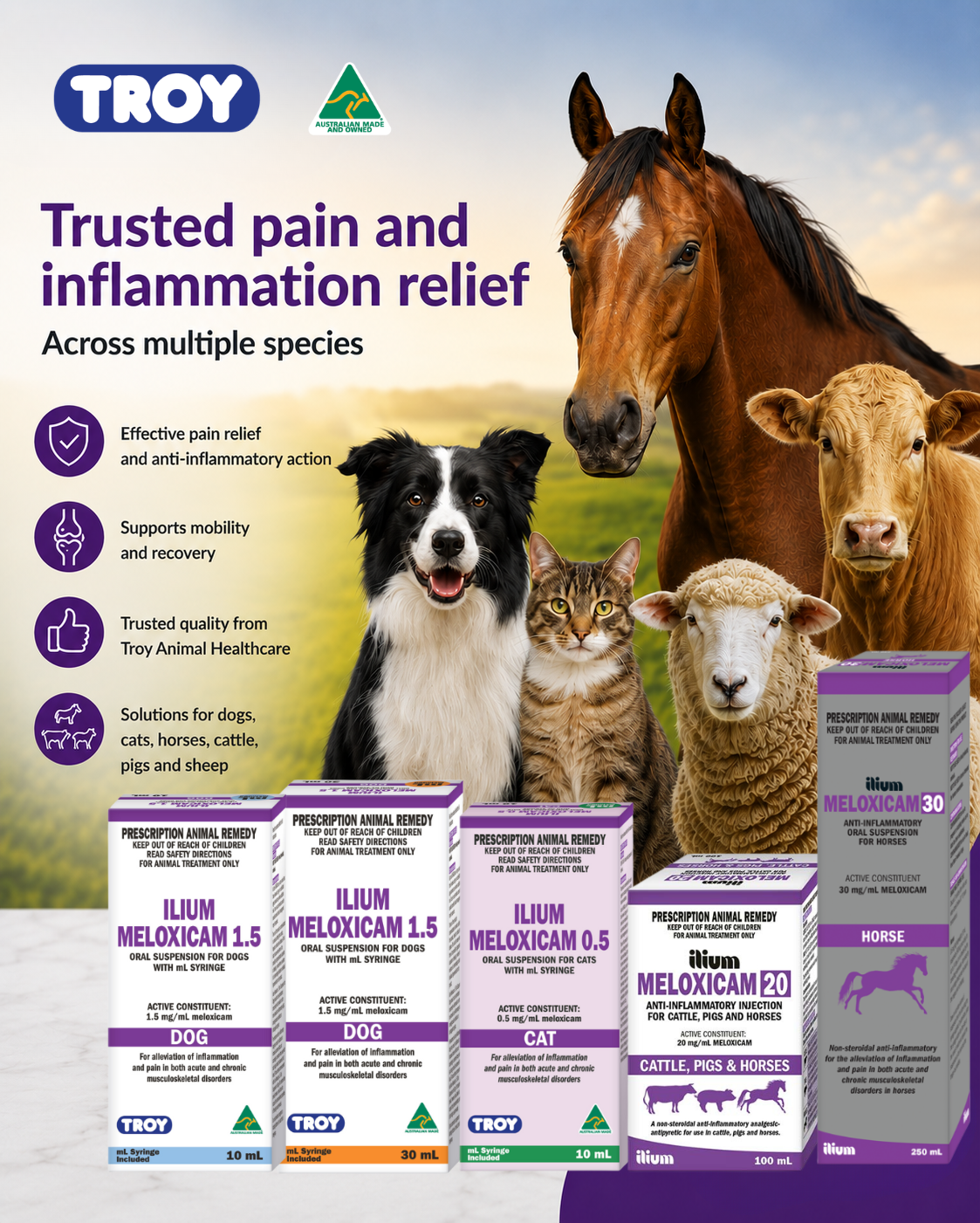
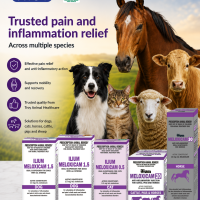
Pain management is a cornerstone of modern veterinary medicine. Whether treating a dog recovering from orthopaedic surgery, managing chronic musculoskeletal pain in a horse, or reducing inflammation in livestock, effective analgesia is essential for improving animal welfare and supporting recovery. The Veterinary Group offers a carefully selected range of ilium® Meloxicam products from Troy Animal Healthcare, providing veterinarians with trusted non-steroidal anti-inflammatory drug (NSAID) options for dogs, cats, horses, cattle and sheep. Understanding Meloxicam Meloxicam is a non-steroidal anti-inflammatory drug (NSAID) widely used in veterinary medicine to help alleviate pain and reduce inflammation. It works by inhibiting cyclooxygenase (COX) enzymes involved in the production of prostaglandins, the compounds responsible for pain, inflammation and fever. When used according to the approved product label and under veterinary supervision, meloxicam plays an important role in improving patient comfort while supporting recovery from injury, surgery and musculoskeletal disease. Why Effective Pain Management Matters Animals often instinctively conceal signs of pain, making proactive pain management an essential part of veterinary care. Appropriate NSAID therapy can help to: Reduce pain and inflammation Improve mobility and comfort Encourage normal feeding and activity Support recovery following injury or surgery Enhance overall patient welfare From companion animal practice to equine and production animal medicine, effective pain management contributes to better clinical outcomes. The ilium® Meloxicam Range Available from TVG include: Ilium® Meloxicam Suspension 1.5 for Dogs. Available in 10 mL, 30 mL and 100 mL bottles and is formulated specifically for dogs. It is indicated for the alleviation of inflammation and pain associated with acute and chronic musculoskeletal disorders, providing veterinarians with a convenient oral treatment option for ongoing pain management where meloxicam therapy is appropriate. Ilium® Meloxicam Suspension 0.5 for Cats Available in 10 mL and 30 mL bottles and is specifically formulated for cats. It is indicated for the alleviation of inflammation and pain associated with acute and chronic musculoskeletal disorders and offers a palatable oral formulation designed to support accurate dosing. Ilium® Meloxicam 30 Suspension for Horses is an oral meloxicam formulation developed specifically for horses available in 100 mL. The suspension provides veterinarians with a practical option for managing pain and inflammation in equine patients where meloxicam therapy is indicated, supporting the treatment of musculoskeletal conditions and helping to maintain comfort and mobility. Ilium® Meloxicam 20 Anti-Inflammatory Injection is a 20 mg/mL injectable formulation available in a 100 mL presentation. The product is intended for use in horses, cattle and sheep, providing veterinarians with a convenient injectable NSAID option for the management of pain and inflammation in accordance with the approved product label and veterinary directions. Why Choose the ilium® Meloxicam Range? The ilium® Meloxicam range offers veterinarians a number of practical advantages: Species-specific formulations for companion animals and horses Injectable and oral treatment options across the range Multiple pack sizes to suit different practice requirements Accurate dosing with supplied measuring syringes for oral suspensions Trusted quality from Troy Animal Healthcare By offering formulations across companion animals, equine practice and selected livestock species, the range enables veterinarians to select the most appropriate treatment for each patient. Responsible NSAID Use Like all NSAIDs, meloxicam should only be used under veterinary supervision. Before prescribing treatment, veterinarians should assess each patient's clinical condition, hydration status, concurrent medications and any underlying disease. Treatment should always follow the approved product label, and patients receiving long-term therapy should be monitored appropriately. Supporting Better Veterinary Care Effective pain management is an essential component of high-quality veterinary medicine. By helping to alleviate pain and reduce inflammation, veterinarians can improve patient comfort, support recovery and promote better long-term welfare. With formulations available for dogs, cats, horses, cattle and sheep, the ilium® Meloxicam range from Troy Animal Healthcare provides veterinarians with reliable NSAID solutions across multiple areas of practice. To learn more about the ilium® Meloxicam range available from The Veterinary Group, or to place an order, contact our team at +971 6 5395443 / sales@thevet.group or browse our online veterinary store. About Troy Animal Healthcare For more than 60 years, Troy Animal Healthcare has been developing and manufacturing veterinary medicines for companion animals, horses and livestock. Its ilium® range is recognised by veterinary professionals for delivering practical, high-quality healthcare solutions that support animal health and welfare across a wide range of clinical applications.
June 18 2026
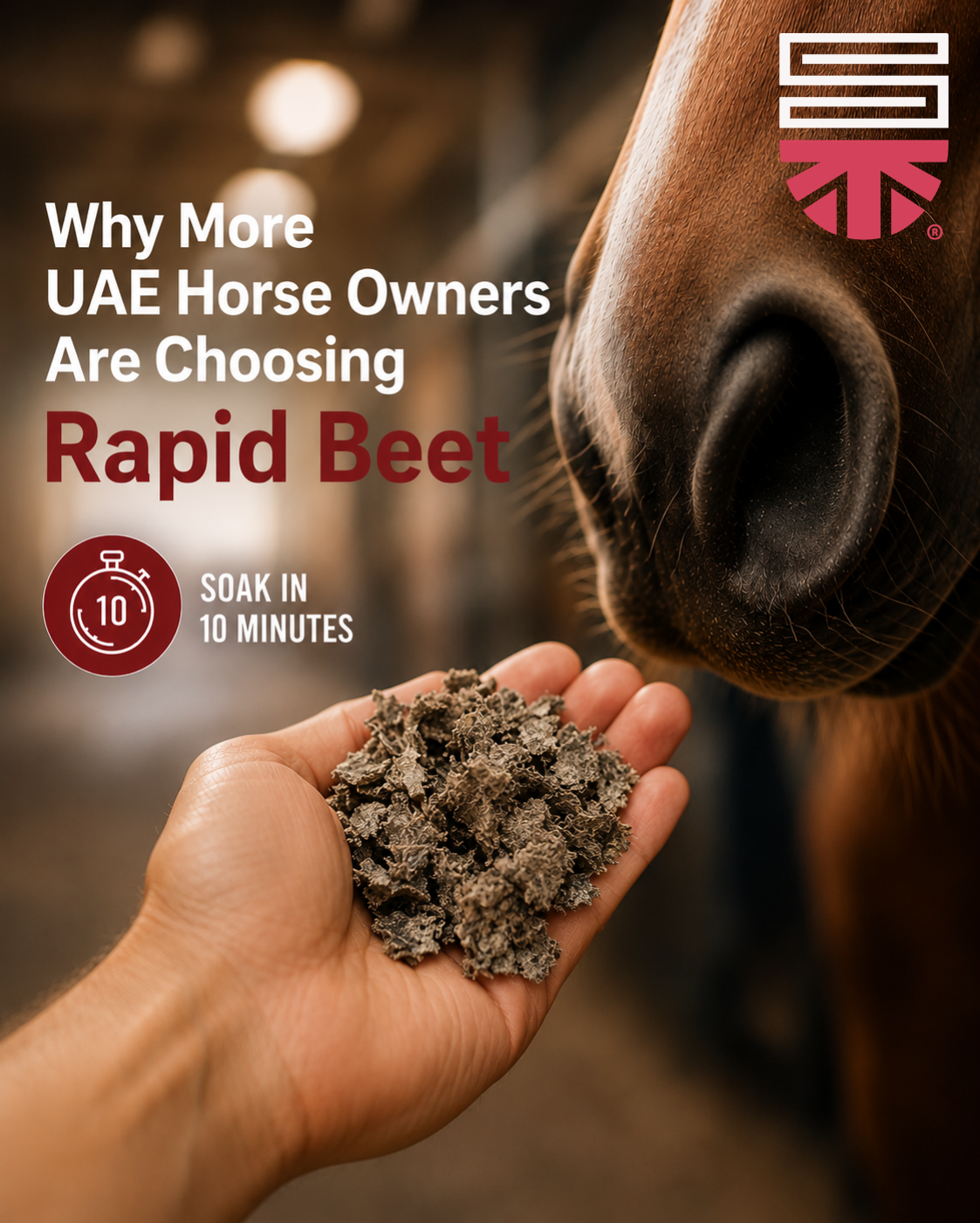
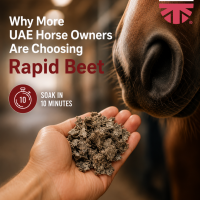
Looking for a low-sugar, high-fibre horse feed in Dubai? Saracen Rapid Beet offers a convenient way to increase fibre intake while providing slow-release, non-heating energy for horses and ponies across all life stages. Its quick-soaking formula makes it especially practical for horse owners, trainers, and stable managers in the UAE. Why Fibre Matters More Than Many Horse Owners Realise In the UAE's climate, maintaining digestive health and hydration can be a challenge. While concentrates often receive the most attention, fibre remains the foundation of a healthy equine diet. A fibre-rich diet helps support: Healthy digestive function A balanced hindgut environment Slow-release energy production Consistent body condition Feeding programmes for horses requiring lower sugar and starch intake For performance horses, leisure horses, veterans, and good doers alike, digestible fibre plays an important role in overall health and wellbeing. What Is Saracen Rapid Beet? Saracen Rapid Beet is a quick-soaking unmolassed sugar beet pulp feed that is naturally high in digestible fibre while remaining low in sugar and starch. According to the Saracen Rapid Beet product information, it provides slow-release, non-heating energy and can be added to existing feeding programmes to increase fibre intake. Key Nutritional Features High in digestible fibre Low sugar (5%) Low starch (1.5%) Non-heating energy source Quick soaking in approximately 10 minutes Suitable for year-round feeding 5 Benefits of Saracen Rapid Beet 1. Supports Healthy Digestive Function Digestible fibre is essential for maintaining normal gut function. Sugar beet pulp is widely recognised as a highly fermentable fibre source that can contribute valuable energy while supporting digestive health. Saracen Rapid Beet is specifically formulated to help increase a horse's digestible fibre intake. 2. Provides Slow-Release, Non-Heating Energy Unlike high-starch feeds that can create energy spikes, beet pulp provides energy through fibre fermentation in the hindgut. 3. Ideal for Horses Requiring Low Sugar and Starch Diets Many horse owners actively seek feeds with reduced sugar and starch levels. Saracen Rapid Beet contains: Sugar: 5% Starch: 1.5% These levels make it suitable for horses and ponies requiring a lower sugar and starch ration. 4. Quick and Convenient to Prepare One of the biggest advantages of Rapid Beet is convenience. Unlike traditional beet products that can require lengthy soaking times, Saracen Rapid Beet is ready in approximately 10 minutes when mixed correctly. This makes it ideal for: Busy stables Riding schools Competition yards Owners feeding multiple horses 5. Highly Palatable and Easy to Add to Existing Diets Some horses can be selective eaters, particularly when introducing new feeds. Saracen states that Rapid Beet is highly palatable and can be added to virtually any feeding programme to help boost fibre intake. Which Horses Can Benefit from Rapid Beet? Saracen Rapid Beet is suitable for: Competition Horses  - Provides slow-release energy without excessive starch. Veteran Horses  - Can be soaked into a soft mash, making it easier for older horses to consume. Good Doers - Offers fibre without the high sugar levels found in some feeds. Horses Needing Additional Fibre - An easy way to increase total fibre intake within the diet. Horses on Low Starch Diets - Contains just 1.5% starch. Feeding Guidelines Saracen recommends: Mix 1 part Rapid Beet with 5 parts water. Allow approximately 10 minutes to soak. Feed immediately or store in a cool place for later use. Never feed dry. Why Rapid Beet Is Popular in Dubai Horse owners in Dubai and across the UAE often look for feeds that combine: High fibre Low sugar Controlled energy Practical feeding management Saracen Rapid Beet meets all these requirements while providing a convenient, quick-soaking solution suitable for year-round feeding in the region's demanding climate. Frequently Asked Questions Is Saracen Rapid Beet suitable for all horses? Yes. Saracen states it is suitable for horses and ponies requiring additional fibre as well as those needing a low sugar and starch feed. How long does Rapid Beet take to soak? Approximately 10 minutes under normal conditions. Does Rapid Beet contain molasses? No. It is made from unmolassed sugar beet. Can Rapid Beet help increase fibre intake? Yes. Saracen specifically highlights its role in helping increase digestible fibre intake. Saracen Rapid Beet: A Smart Fibre Solution for UAE Horses Whether you're feeding a competition horse, veteran horse, leisure companion, or pony requiring a low sugar and starch diet, Saracen Rapid Beet offers a practical way to support digestive health and provide slow-release energy through highly digestible fibre. With its low sugar (5%), low starch (1.5%), quick soaking time, and year-round suitability, it's easy to see why Rapid Beet has become a trusted choice for horse owners throughout Dubai and the UAE. Contact our sales team at sales@thevet.group or Order online HERE
June 17 2026
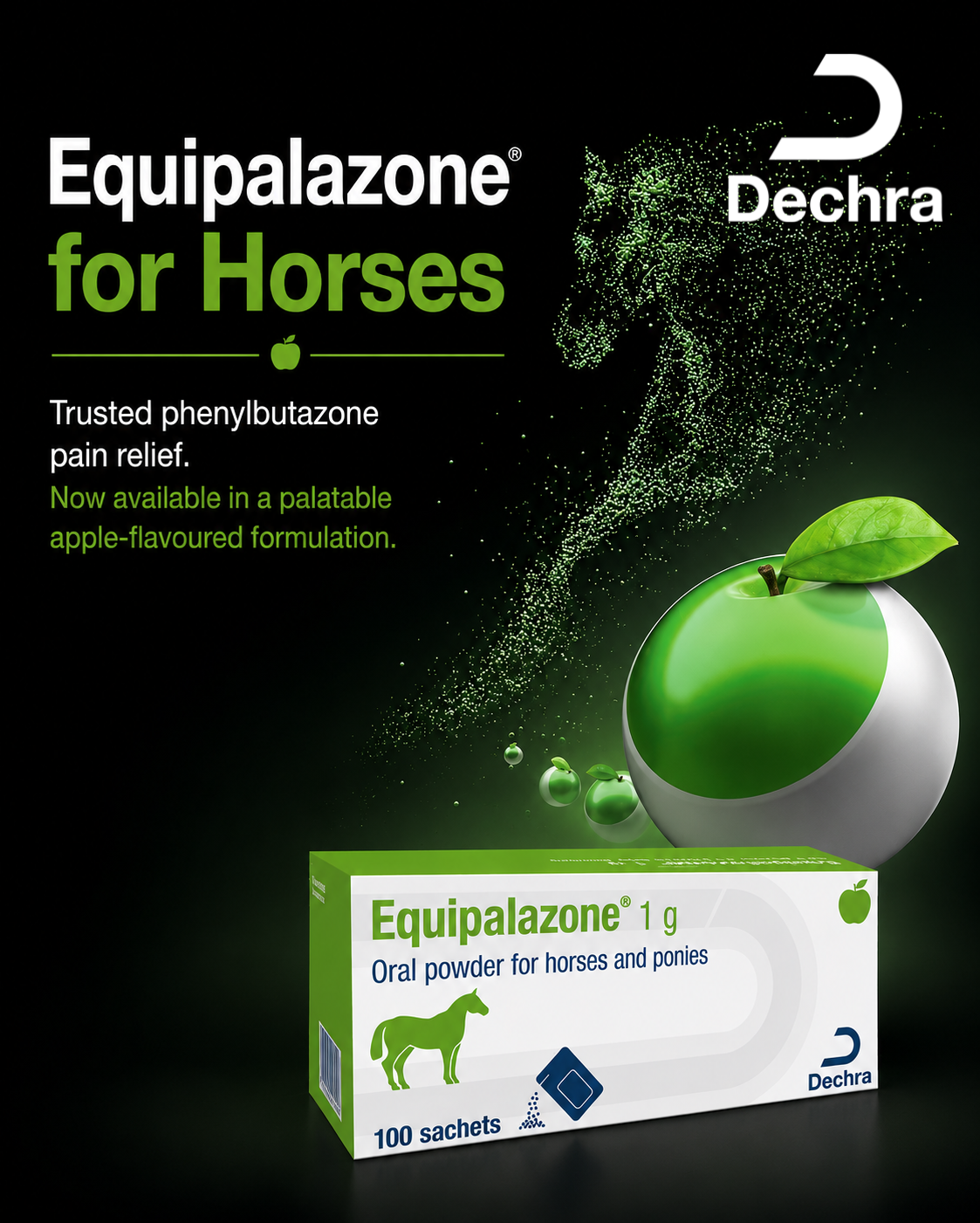
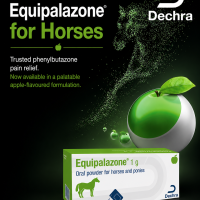
When horses experience pain and inflammation, rapid and effective management is essential for maintaining comfort, mobility, and performance. Equipalazone® has long been one of the most trusted phenylbutazone products used by veterinarians for the management of musculoskeletal pain in horses and ponies. Now available in an apple-flavoured formulation, Equipalazone® combines proven efficacy with enhanced palatability, making administration easier for both horse owners and veterinary professionals. What Is Equipalazone®? Equipalazone® contains phenylbutazone, a non-steroidal anti-inflammatory drug (NSAID) widely used in equine medicine to help manage pain, inflammation, and lameness associated with a range of musculoskeletal conditions. It is indicated for horses and ponies requiring relief from inflammatory conditions affecting joints, tendons, ligaments, and soft tissues. It may also be used to help reduce post-surgical soft tissue reactions. Common Conditions Where Equipalazone® May Be Used Veterinarians may prescribe Equipalazone® as part of a treatment plan for conditions including: Osteoarthritis and degenerative joint disease Acute and chronic laminitis Bursitis Carpitis Musculoskeletal injuries Post-operative soft tissue inflammation By reducing inflammation and discomfort, Equipalazone® can help horses remain more comfortable during recovery and rehabilitation. How Does Phenylbutazone Work? Phenylbutazone works by inhibiting cyclo-oxygenase (COX) enzymes involved in the inflammatory pathway. This reduces the production of prostaglandins and other inflammatory mediators responsible for pain, swelling, and discomfort. As a result, horses may experience improved comfort and mobility while the underlying condition is being managed. Why Choose Equipalazone®? Equipalazone® has earned a reputation as one of the most widely used and trusted phenylbutazone products available for horses. Its unique formulation offers several practical benefits: Apple-Flavoured for Improved Acceptance - Administering medication can sometimes be challenging, particularly with horses that are selective feeders. The new apple-flavoured formulation has been developed to improve palatability, helping encourage acceptance and simplifying administration. Convenient Individual Sachets - Each dose is supplied in compact sachets, making storage, handling, and administration simple and convenient whether at the stable, clinic, or competition venue. Unique Microcaps® Technology - Equipalazone® utilises Microcaps® technology, where each granule is coated with arabic gum. This innovative approach contributes to improved palatability compared with non-coated phenylbutazone formulations while maintaining effective anti-inflammatory and analgesic action. No Added Sugar - Equipalazone® is the only NSAID granule available with no added sugar, making it a suitable choice where sugar intake is a consideration. Supporting Equine Soundness and Performance Lameness remains one of the most common reasons for reduced performance, training interruptions, and veterinary intervention in horses. Effective pain management forms an important part of a comprehensive treatment strategy, alongside accurate diagnosis, rehabilitation, and ongoing veterinary care. Equipalazone® forms part of Dechra's Equine Lameness Solutions portfolio, supporting veterinarians in helping horses remain active, comfortable, and performing at their best. Trusted Relief for Horses and Ponies For decades, phenylbutazone has remained a cornerstone of equine pain management. With the addition of a palatable apple flavour, Equipalazone® continues to deliver the powerful anti-inflammatory and analgesic support veterinarians trust, while making administration easier for owners and horses alike. Available from The Veterinary Group - The Veterinary Group is proud to supply Dechra's Equipalazone® Apple Flavour as part of our comprehensive equine healthcare portfolio. Contact our team at sales@thevet.group to learn more about this trusted equine pain management solution or to place an order here.  
June 16 2026
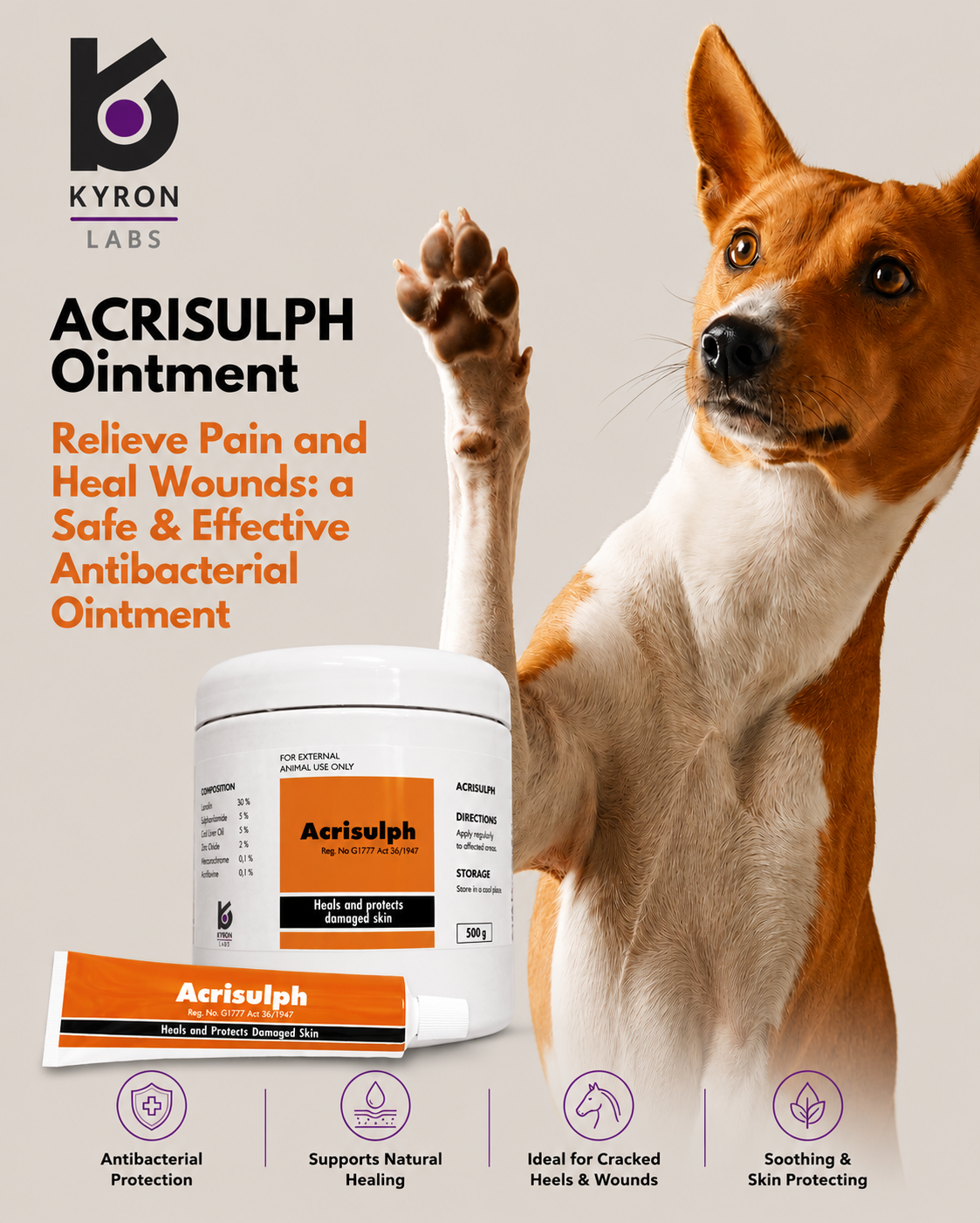
When it comes to wound management in animals, early intervention and appropriate topical care can make a significant difference to comfort and recovery. Whether dealing with superficial wounds, minor burns, or equine cracked heels, Acrisulph® Ointment from Kyron Laboratories has been formulated to help protect damaged skin, support healing, and provide relief from discomfort.  What Is Acrisulph® Ointment? Acrisulph® is a topical antiseptic wound ointment designed for external animal use. It combines antiseptic ingredients with skin-conditioning and protective agents to help maintain a healthy healing environment for superficial skin injuries. Available in both 50 g tubes and 500 g jars, Acrisulph® is suitable for use in veterinary practices, stables, farms, and animal care facilities where routine wound management is required. What Is Acrisulph® Used For? Acrisulph® is indicated for: Superficial wounds Minor burns Equine cracked heels These conditions can cause discomfort, inflammation, and an increased risk of secondary infection if left unmanaged. Regular application of an appropriate wound ointment can help protect the affected area while supporting the body's natural healing processes. How Acrisulph® Works One of the strengths of Acrisulph® is its combination of ingredients that each contribute to wound care and skin recovery. Sulphanilamide (5%) Sulphanilamide is a sulphonamide antimicrobial agent with bacteriostatic properties. It helps inhibit the growth of susceptible bacteria, assisting in maintaining a cleaner wound environment. Acriflavine (0.1%) and Mercurochrome (0.1%) These ingredients provide antiseptic activity and have traditionally been used to help reduce bacterial contamination in superficial skin lesions. Zinc Oxide (2%) Zinc oxide acts as a mild astringent with soothing properties. It helps protect irritated skin while supporting the healing process. Cod Liver Oil (5%) Cod liver oil is a natural source of Vitamin A, an essential nutrient involved in the maintenance and repair of epithelial tissues. Healthy epithelial tissue is important for normal skin recovery. Lanolin (30%) Lanolin helps soften and moisturise the skin while reducing excessive moisture loss. Maintaining an appropriate moisture balance can support wound healing and improve comfort. Benefits of Acrisulph® for Animal Wound Care Supports Healing of Minor Skin Injuries The combination of protective and antiseptic ingredients helps create a favourable environment for healing superficial wounds. Helps Soothe Irritated Skin Lanolin and zinc oxide contribute to the soothing and protective effects of the ointment, helping improve comfort during recovery. Ideal for Equine Cracked Heels Cracked heels are a common challenge in horses, particularly in wet or muddy conditions. Regular application may help protect affected skin and support recovery. Easy to Apply The ointment spreads easily over affected areas, allowing for convenient routine use as part of a wound management programme. Understanding Equine Cracked Heels Cracked heels occur when the skin in the heel area becomes inflamed, irritated, and damaged. Contributing factors can include: Persistent wet conditions Mud exposure Poor skin condition Bacterial irritation Repeated friction Signs may include: Redness Crusting Cracks in the skin Sensitivity or discomfort Swelling in severe cases Early treatment and good stable hygiene are important to prevent progression and support recovery. Tips for Managing Superficial Wounds in Animals While topical products play an important role, good wound management practices are equally important: Clean the affected area according to veterinary guidance. Remove dirt and debris carefully. Apply Acrisulph® regularly as directed. Monitor wounds for signs of worsening inflammation or infection. Seek veterinary advice for deep wounds, severe burns, excessive swelling, or wounds that fail to heal. Directions for Use Apply Acrisulph® regularly to the affected area as required. Always follow label directions and consult a veterinarian if you are uncertain about the severity of the injury or appropriate treatment. Packaging Acrisulph® is available in: 50 g ointment tubes 500 g ointment jars Why Choose Acrisulph®? For veterinarians, horse owners, farmers, and animal caregivers, Acrisulph® offers a practical wound-care solution that combines antiseptic protection with skin-conditioning ingredients. Its formulation is designed to help soothe, protect, and support the healing of superficial wounds, burns, and cracked heels in animals. For more information about Acrisulph® and other trusted animal healthcare products from Kyron Laboratories, contact The Veterinary Group team.   
May 21 2026
Efficient livestock identification is becoming increasingly important for modern animal production, traceability, monitoring, and regulatory compliance. The Allflex AWR300 Stick Reader, part of the Allflex Link ecosystem from MSD Animal Health, is designed to support faster and more reliable electronic identification (EID) workflows across livestock operations. The AWR300 device combines rugged field durability with wireless connectivity and advanced tag-reading capability, enabling producers, veterinarians, feedlots, dairies, and livestock managers to capture and manage animal data more efficiently. What is the Allflex AWR300 Stick Reader? The Allflex AWR300 is a handheld electronic identification (EID) reader developed for livestock environments where rapid and accurate animal identification is essential. The reader supports both RFID and NFC technologies, allowing users to read traditional EID tags as well as compatible monitoring devices using a single platform. The reader is designed to work with: HDX transponders FDX-B transponders NFC monitoring tags compatible with SenseHub™ systems This flexibility allows livestock operations to integrate animal identification, monitoring, and digital recordkeeping into a more streamlined workflow. Reliable Electronic Identification for Livestock Operations Electronic identification systems help improve traceability and reduce manual recording errors. The Allflex AWR300 supports ISO 11784 and ISO 11785 compliant EID tags commonly used in cattle, sheep, goat, and livestock management systems worldwide. According to the official MSD Animal Health specifications, the reader can achieve reading distances of up to: 30 cm with HDX transponders 30 cm with FDX-B transponders The device is engineered for high-volume reading environments where speed and reliability are important during handling, weighing, treatment, breeding, or movement procedures. Built for Farm and Field Conditions Livestock environments require equipment capable of handling demanding working conditions. The Allflex AWR300 features an IP67-rated housing designed to resist dust and temporary water exposure under specified operating conditions. Additional field-oriented features include: Ergonomic handheld design Multi-colour LED read indicators Vibration feedback Audible sound alerts 2.4-inch TFT colour display Seven-button directional keypad interface The reader weighs approximately 720 g and is designed for daily operational use across livestock facilities, farms, and handling systems. Wireless Connectivity and Data Management (Download Allflex-Link-Stick-Reader-MSD-Quick-start-guide.pdf ) The Allflex AWR300 supports multiple connectivity options including: Bluetooth USB RS232 WLAN/Wi-Fi communication The reader also integrates with the Allflex Connect mobile application, enabling users to: Transfer animal records Organise livestock groups Synchronise herd data Update reader firmware Connect with herd management systems This supports more efficient digital livestock management and helps reduce reliance on paper-based record systems. Large Data Storage Capacity The AWR300 includes onboard memory capable of storing up to: 1,000,000 records 25 task groups with 10,000 records each This capacity allows users to manage large-scale livestock operations while maintaining organised animal identification records directly on the device. Supporting Livestock Monitoring Systems One of the distinguishing features of the Allflex Link platform is its ability to support both EID and NFC monitoring workflows. Using the “Join Data” function, operators can pair animal EID records with compatible NFC monitoring tags. This functionality can assist operations using livestock monitoring technologies to improve visibility into: Animal movement Behaviour monitoring Group management Operational recordkeeping Applications Across Livestock Industries The Allflex AWR300 Stick Reader can be used in a wide range of livestock applications, including: Animal identification Traceability programs Breeding management Vaccination and treatment recording Weighing and drafting systems Feedlot operations Dairy herd management Sheep and goat identification systems Its compatibility with multiple identification technologies makes it suitable for evolving livestock management systems that require scalable digital infrastructure. Livestock Identification Solutions from The Veterinary Group At The Veterinary Group, we support livestock professionals with advanced animal health, identification, monitoring, and farm management solutions tailored to modern agricultural operations. The Allflex AWR300 Stick Reader forms part of a broader range of livestock identification technologies designed to improve operational efficiency, traceability, and data collection accuracy across the livestock sector. For more information about Allflex livestock identification solutions, contact The Veterinary Group team at sales@thevet.group  Technical References Technical specifications and operational information referenced in this article were sourced from official MSD Animal Health and Allflex product documentation.

Loading...